After a semester's worth of learning about Food and Drink in Classical Antiquity and a lifelong's passion for cooking, I combined my favorite holiday with my favorite feasting style. 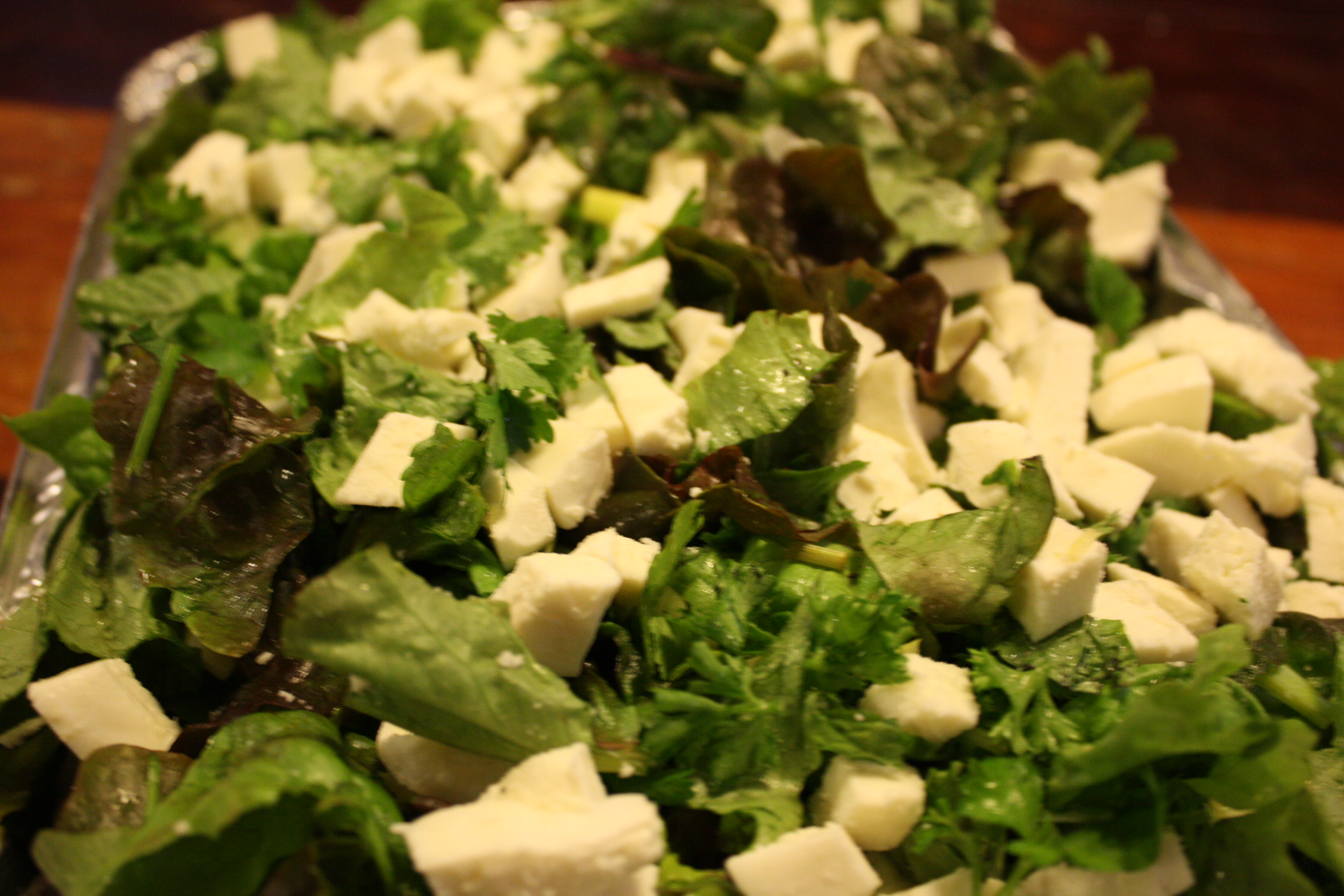 The salad for this feast shows guests that the host in ancient times was very wealthy. This shows off the prize ability to afford cheese, or better yet own a milk producing mammal. Besides this, this fresh salad could only have been obtained by growing greens and herbs in a personal garden. Having a garden with such a variety of greens would have only been obtainable with having a fair amount of land as well as a number of slaves to tend to the garden. The dressing consists of extra virgin olive oil, not just olive oil, to show extra luxury toward the guests, which is furthered by providing the containers with more olive oil, vinegar, and pepper so that guests could help themselves.  The traditional Thanksgiving feast is symbolized with a turkey and dressing. Without roasting a turkey, stuffing was the clear choice.  These green beans and leeks are also a sign of having a lavish garden. What especially sets them apart is their cumin and coriander, another sign of being wealthy by having an ability to import spices. Cooked in more extra virgin olive oil, the only thing making these more delightful for guests to enjoy is that they are cooked with wine. 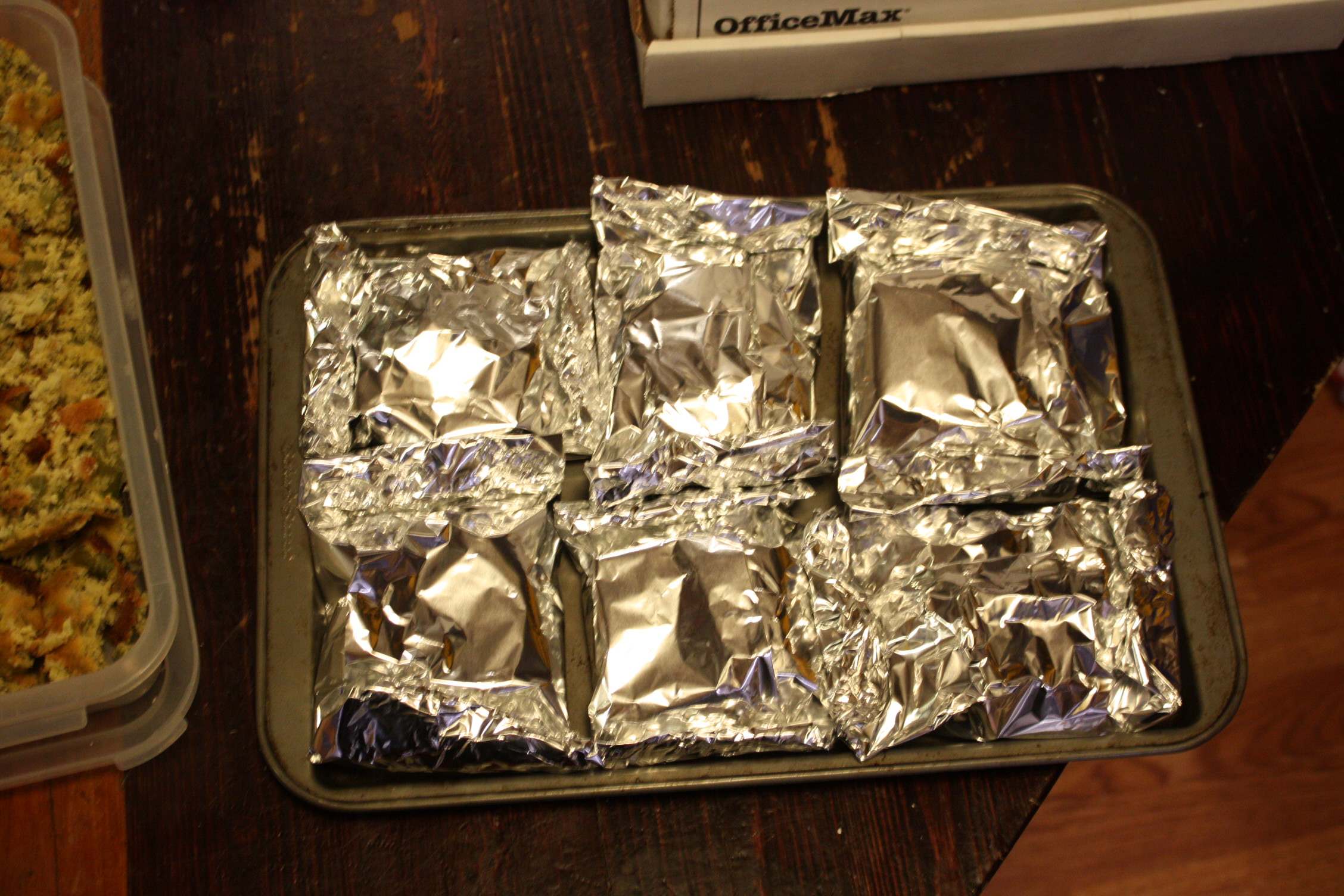 Apart from already showing off that the ancient host may own a goat on their land to have cheese for the salad, the ability to afford this amount of minced turkey, an entirely different meat. The fresh bread indicates a greater number of slaves still to do the labor that goes into baking. The use of cooking with wine is used again, but the great luxury is the number of pine nuts. 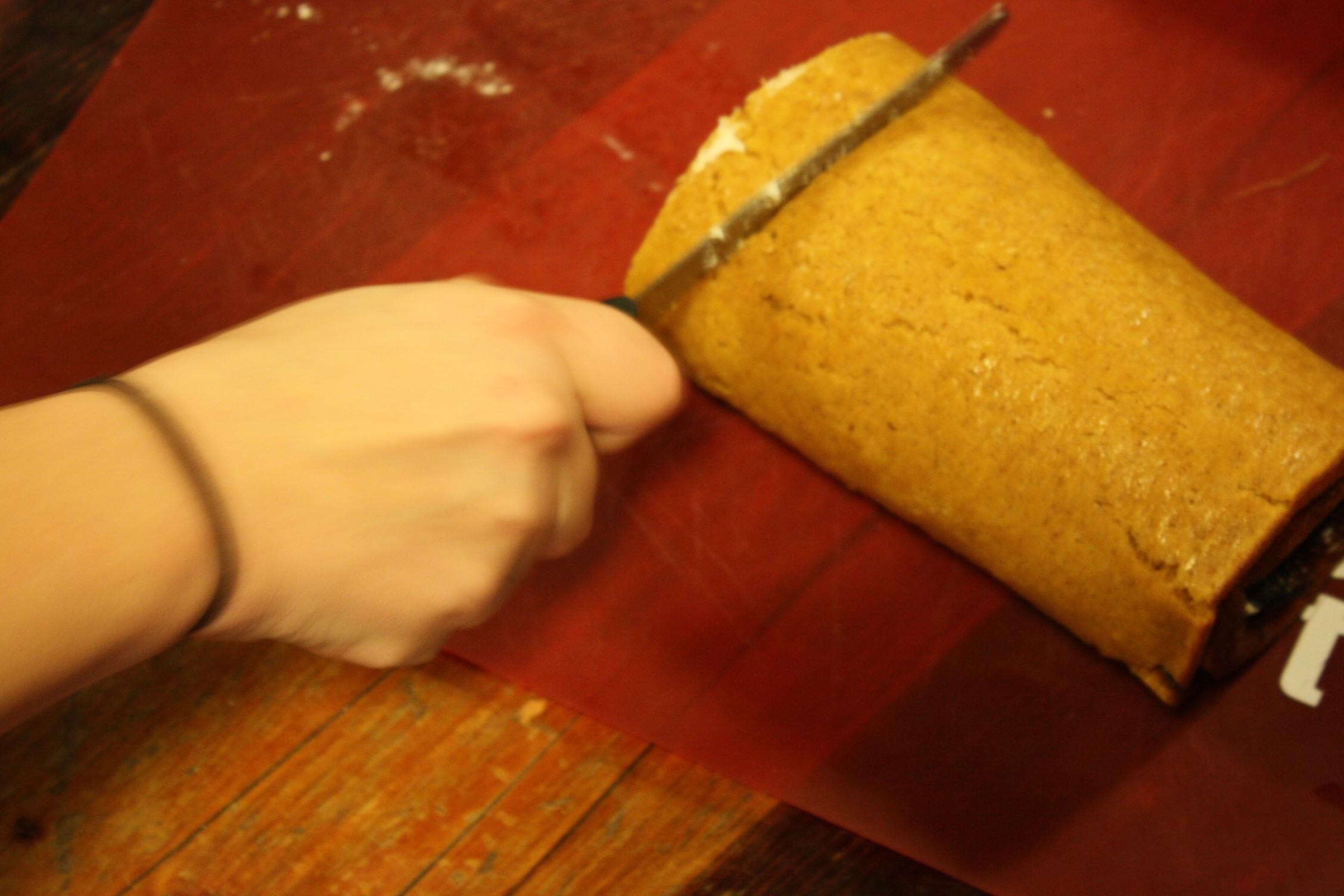 A homeade cake with built in fresh icing that is a twist on the traditional pumpkin pie. 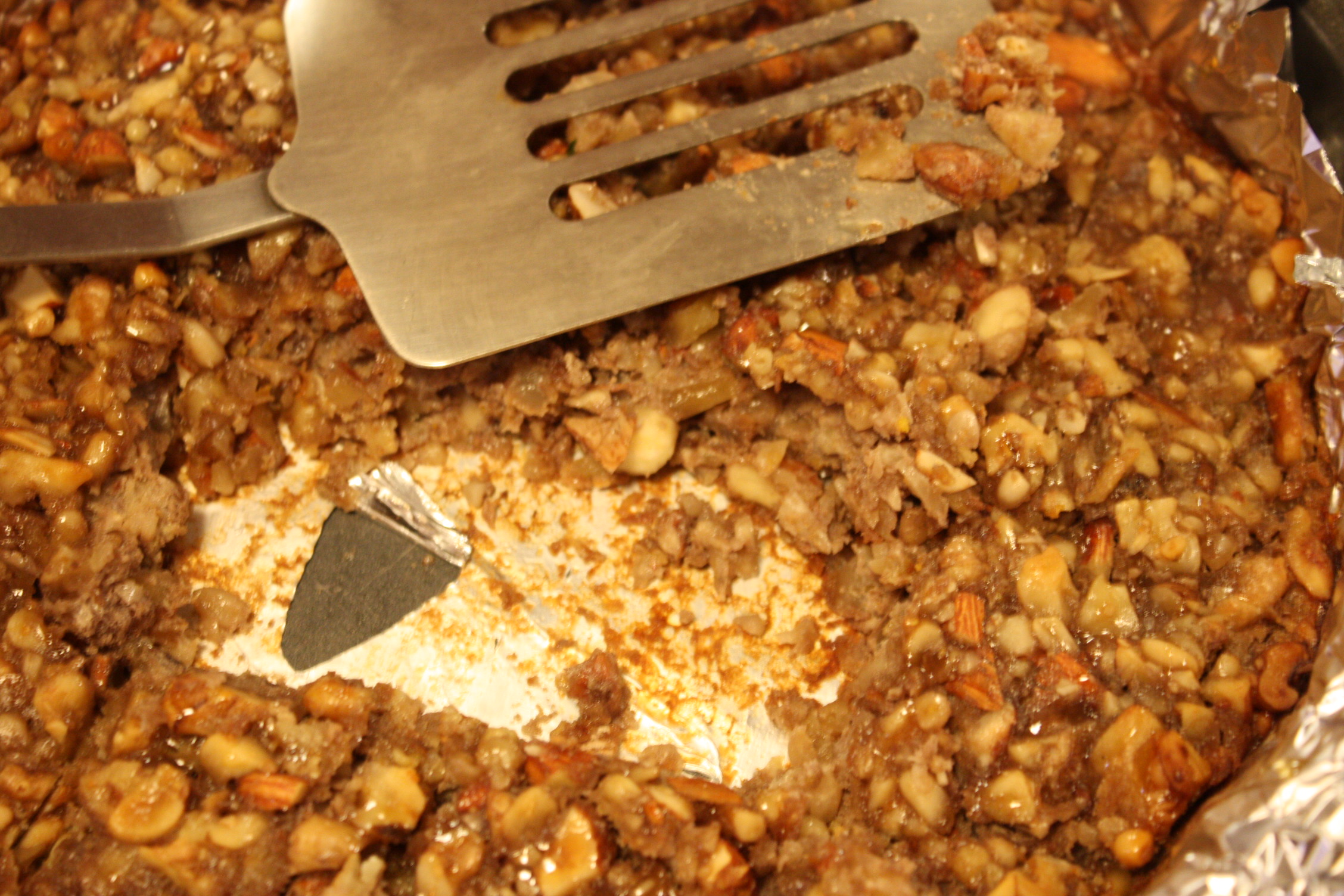 The ability to afford a large quantity of a large variety of nuts in ancient times shows a desire to please all and allude to the host's other eclectic attributes. The sweet of the honey, bitter of the rue or orange zest, mixed with the pepper, chopped nuts, and baked carefully with milk and eggs, this dessert assists in reflecting on all of the great luxuries featured in this feast. Catherine Waldrop ARCH0770 Food and Drink in Classical Antiquity December 2, 2009 |
The Food *denotes from an ancient recipe Before choosing my recipes, I read a variety of excerpts from texts including Around the Roman Table by Patrick Faas Food in the Ancient World by Joan Pilsbury Alcock Food in Antiquity: A Survey of the Diet of Ancient Peoples by Don R. Brothwel, Patricia Brothwel Food in the Ancient World from A to Z by Andrew Dalby Ancient Roman Feasts and Recipes adapted for Modern Cooking by Jon Solomon, Julia Solomon |
